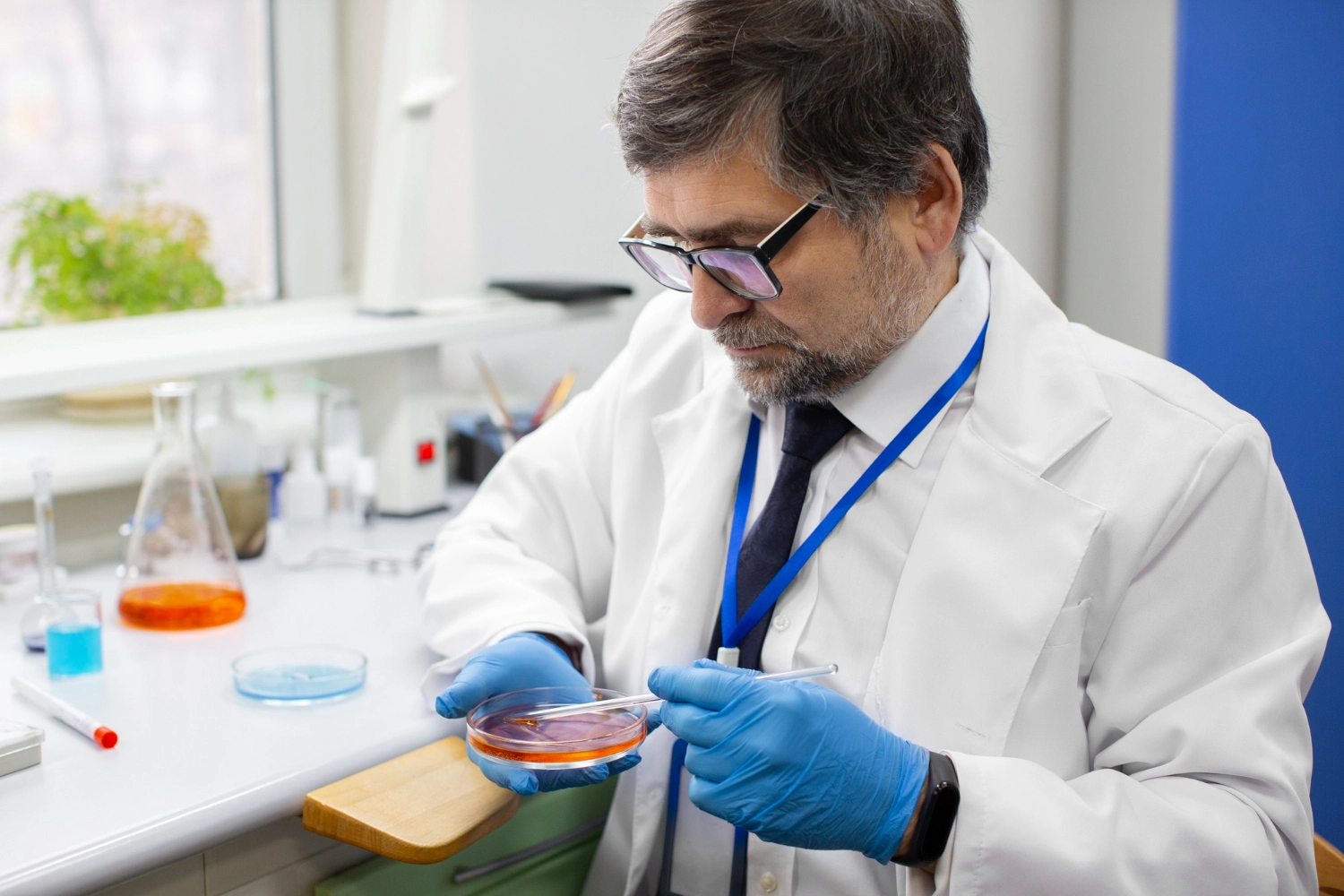
Formulation Ready in 30 Days: From Product Idea to Market-Ready Food Innovation
Every successful food or beverage product starts with an idea. It could be a refreshing functional drink, a protein-rich snack, a new packaged food, or a unique recipe designed for a specific audience. But turning that idea into a consistent, commercially viable product requires much more than simply combining ingredients.
Product formulation involves understanding consumer preferences, selecting suitable ingredients, developing a balanced recipe, evaluating product characteristics, and planning for manufacturing. With a structured development process, the first formulation milestone may be achievable within 30 days, depending on the product’s complexity, ingredient availability, testing requirements, and project scope.
At The Formulation Labs, the goal is to help food entrepreneurs, startups, and established businesses move from an initial concept toward a well-defined product formulation through a systematic and collaborative approach.
What Does Formulation Ready in 30 Days Mean?
A 30-day formulation plan is a structured development roadmap covering product discovery, ingredient research, prototype development, evaluation, and formulation refinement. It establishes a clear path toward a product that can proceed to the next stage of development.
It does not automatically mean that every product will be fully validated, shelf-life tested, certified, or ready for commercial sale within 30 days. Those milestones depend on the specific product and the testing and regulatory work required.
Why Is a Structured Product Formulation Process Important?
A promising food idea can face several challenges during development. The taste may not meet expectations, the texture may be inconsistent, ingredients may interact unexpectedly, or the production cost may exceed the target price.
A structured formulation process helps identify these challenges early. Instead of making random recipe changes, businesses can use defined objectives, controlled trials, and documented feedback to guide product development.
- Better product consistency: Establish clear ingredient quantities and preparation procedures.
- Improved sensory quality: Evaluate taste, aroma, texture, appearance, and overall consumer experience.
- Ingredient suitability: Select ingredients based on functionality, availability, compatibility, and intended use.
- Cost awareness: Review ingredient costs and formulation choices against the target product economics.
- Clearer development decisions: Document prototypes, observations, revisions, and outstanding technical requirements.
The result is a more organized path from concept to prototype, helping businesses make informed decisions before investing in larger-scale production.
The 30-Day Product Formulation Roadmap
Each food and beverage product has different development needs. The following roadmap provides an example of how a formulation project can be organized over four weeks, with the remaining days reserved for refinement, documentation, and planning the next stage.
Phase 1: Product Discovery and Concept Development
The first step is to define what the product needs to achieve. This includes understanding the target audience, intended use, desired sensory profile, preferred ingredients, packaging format, and target price range.
Key activities:
- Discuss the product concept and business objectives.
- Identify target consumers and product positioning.
- Review comparable products and market expectations.
- Define preliminary taste, texture, appearance, and nutritional goals.
- Identify initial ingredient, processing, and compliance considerations.
Expected outcome: A defined product brief and an initial formulation development plan.
Phase 2: Ingredient Research and Initial Formulation
With the concept established, attention shifts to ingredient selection and recipe design. Each ingredient must serve a purpose, whether it contributes to flavour, texture, structure, nutrition, stability, or the intended product experience.
Key activities:
- Identify suitable raw materials and ingredient alternatives.
- Review ingredient functionality and compatibility.
- Develop preliminary ingredient proportions.
- Consider processing conditions and manufacturing feasibility.
- Review preliminary cost and sourcing considerations.
Expected outcome: An initial formulation framework ready for prototype development.
Phase 3: Prototype Development and Evaluation
The initial recipe is developed into one or more prototypes, where the agreed project scope and available facilities permit. This stage helps reveal how ingredients behave together and whether the product meets its intended sensory and functional objectives.
Key activities:
- Prepare prototype batches using defined procedures.
- Assess taste, aroma, appearance, and texture.
- Record observations and compare results with the product brief.
- Identify formulation gaps and possible improvements.
- Gather agreed stakeholder or sensory feedback.
Expected outcome: Prototype observations and a documented list of required formulation improvements.
Phase 4: Formulation Refinement and Optimization
Feedback from prototype evaluation informs the next round of development. Ingredient proportions, processing steps, or other formulation parameters may be adjusted to improve the product’s overall performance.
Key activities:
- Refine ingredient quantities and processing parameters.
- Address identified taste, texture, or appearance issues.
- Compare revised prototypes against the agreed product goals.
- Review ingredient costs and practical production constraints.
- Identify any remaining technical or testing requirements.
Expected outcome: A refined formulation candidate, subject to the results and scope of the development work.
Phase 5: Documentation and Next-Step Planning
The final stage consolidates the work completed during the project. Depending on the agreed deliverables, the documentation may include the revised recipe, ingredient specifications, preparation instructions, prototype observations, and recommendations for further development.
Key activities:
- Document the agreed formulation and preparation process.
- Compile relevant ingredient and processing information.
- Review preliminary cost estimates where data is available.
- Identify required laboratory, safety, shelf-life, or compliance evaluations.
- Develop a practical plan for scale-up and subsequent validation.
Expected outcome: A documented formulation milestone and a clear roadmap for the next stage of product development.
Which Products Can Benefit From a 30-Day Formulation Plan?
A structured development timeline can be useful across many food and beverage categories. The actual duration depends on product complexity, processing requirements, and the type of validation needed.
1. Beverage Formulation
Beverage development may involve flavour balancing, sweetener selection, acidity management, ingredient solubility, mouthfeel, and processing compatibility. Carbonated drinks, functional beverages, nutritional drinks, and flavoured water products each present different technical considerations.
2. Packaged Food Formulation
Packaged food development focuses on taste, texture, ingredient functionality, preparation methods, and consistency. Depending on the category, formulation work may also involve moisture management, processing behaviour, packaging compatibility, and shelf-life evaluation.
3. Functional and Nutritional Products
Products developed around specific nutritional objectives require careful ingredient selection and consideration of the intended serving size. Nutritional composition, ingredient stability, sensory acceptability, and applicable labelling requirements may all influence the development process.
4. Bakery, Snacks, Sauces, and Specialty Foods
These categories can require different approaches to structure, viscosity, texture, moisture, flavour release, and processing. A defined formulation plan helps teams identify the most important performance requirements before moving toward larger production trials.
What Can Affect the 30-Day Timeline?
A 30-day target is a planning framework rather than a universal guarantee. Several factors can influence whether a formulation milestone can be achieved within that period.
- Product complexity: Products with multiple functional ingredients or demanding processing requirements may need additional development time.
- Ingredient availability: Specialty ingredients, supplier lead times, and minimum order quantities can delay trials.
- Prototype iterations: Products that need extensive reformulation may require more development cycles.
- Testing requirements: Microbiological testing, stability studies, shelf-life assessments, and other evaluations have their own timelines.
- Regulatory considerations: Applicable food safety, ingredient-use, claims, and labelling requirements must be addressed for the relevant market.
- Client feedback: Timely decisions and approvals help maintain the project schedule.
How to Prepare for a Faster Formulation Process
Businesses can help streamline development by preparing essential information before the project begins.
- Define your product idea: Explain what you want to create and what makes it different.
- Know your target audience: Describe the intended consumer and the product experience you want to deliver.
- Share reference products: Examples can help clarify desired taste, texture, appearance, or format without assuming the same recipe can be reproduced.
- Establish a target cost: Share your approximate ingredient or manufacturing cost expectations where possible.
- Clarify dietary and ingredient requirements: Identify relevant allergen, dietary, ingredient exclusion, and market requirements.
- Provide timely feedback: Consolidated feedback helps make prototype revisions more efficient.
- Discuss testing early: Identify the laboratory assessments, shelf-life work, and compliance checks needed for your product category.
Why Work With a Product Formulation Partner?
Developing a commercial food product requires coordinated decisions across ingredients, processing, sensory quality, cost, and product requirements. A formulation partner can help bring these elements together within a defined development process.
Rather than relying solely on trial and error, businesses can work through a more systematic sequence of product definition, ingredient selection, prototype evaluation, refinement, and documentation.
For startups, this approach can help organize early product development. For established food businesses, it can support new product concepts, recipe improvements, or the exploration of new product categories.
At The Formulation Labs, formulation projects can be planned around the individual product concept, development objectives, and technical requirements. The scope and timeline should be agreed before work begins so that deliverables, testing needs, and responsibilities are clear.
Frequently Asked Questions
1. Can a food product formulation really be ready in 30 days?
Some products can reach an initial or refined formulation milestone within 30 days when the scope is clearly defined and ingredients, trials, and feedback are available on time. Complex products and projects requiring extensive testing may take longer.
2. What information is needed to start a formulation project?
Useful information includes the product concept, target audience, preferred ingredients, desired sensory characteristics, dietary requirements, target cost, and intended market. Reference products and packaging preferences can also help.
3. Does a completed formulation mean the product is ready to launch?
Not necessarily. Commercial launch may require additional manufacturing trials, safety assessments, shelf-life studies, nutritional analysis, packaging evaluation, and regulatory or labelling checks, depending on the product.
4. Can startups use professional formulation services?
Yes. Startups can use formulation services to develop an initial product concept, evaluate ingredient options, refine prototypes, and understand the next steps toward commercial production. The scope can be planned around the project’s needs and resources.
5. Is beverage formulation different from food formulation?
Yes. Beverage formulation often emphasizes solubility, acidity, flavour balance, suspension, and processing compatibility. Food formulation may place greater emphasis on structure, moisture, texture, and cooking or processing behaviour. Both require category-specific evaluation.
6. What happens after the initial formulation is completed?
The next steps may include further prototype refinement, pilot-scale production, shelf-life and safety testing, nutritional assessment, packaging evaluation, and applicable regulatory review. The specific requirements depend on the product and target market.
Ready to Develop Your Food or Beverage Product?
Have a product idea you want to explore? Start with a clear development plan and understand the formulation, testing, and production steps needed to move it forward.
The Formulation Labs can help you explore the next steps for your food or beverage concept.
Final Thoughts
Turning a product idea into a well-defined formulation requires planning, technical evaluation, and a willingness to refine the original concept. A 30-day roadmap can provide structure, establish milestones, and help teams focus on the most important development decisions.
Whether you are developing a beverage, a packaged food, a functional product, or a specialty recipe, the right process begins with clear objectives and continues through ingredient research, prototype evaluation, formulation refinement, and appropriate validation.
With a realistic timeline and clearly defined deliverables, your product idea can take a meaningful step toward commercial development.